Feb 26, 2026
The Weaknesses of Aging Buildings Across the U.S.
As many buildings across the United States continue to age, maintaining and upgrading security systems has become increasingly important. Older properties, especially those constructed before modern security technologies became standard, often face challenges that leave them more vulnerable to crime.
While these buildings may have strong structures and long histories, their security infrastructure frequently has not kept pace with today’s risks.
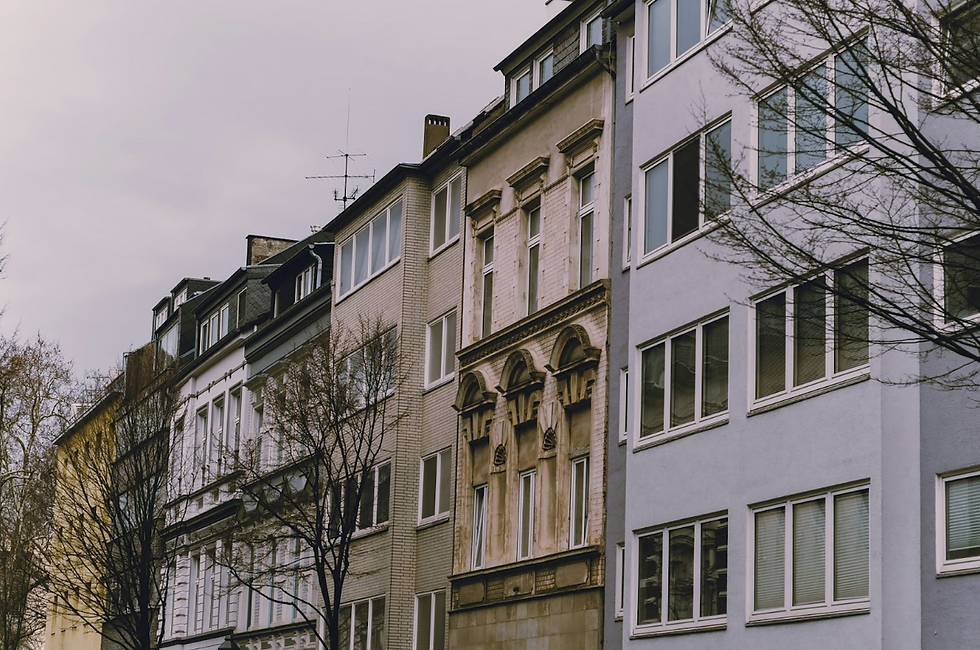
The Risks Posed by Aging Infrastructure
Older buildings commonly rely on systems that are outdated, less reliable, and more prone to failure. Many were never designed to address modern security threats. Over time, these limitations quietly increase vulnerability across the property.
One of the most common issues is outdated access control. Many older properties still depend on traditional lock-and-key methods or early security card systems. These outdated systems are easier to bypass and duplicate, especially if they have not been properly maintained or upgraded.
Ineffective surveillance is another frequent weakness. Early video surveillance systems were often analog and have since become obsolete. Aging security cameras may have poor resolution, limited coverage, or stop functioning entirely, making it harder to monitor the property effectively. In many cases, property teams do not realize the system has been offline for months or even years.
Lighting also plays a critical role in safety. Inadequate or poorly maintained lighting in stairwells, parking areas, and building entrances creates dark areas that naturally attract criminal activity. Aging buildings often rely on outdated lighting systems that are not optimized for modern security needs.
Structural wear can further increase risk. As buildings age, physical integrity can decline. Cracks, faulty doors, inoperable gates, unsecured ground-level windows, climbable patios, and other vulnerabilities can provide easy entry points for unauthorized individuals.
Why Retrofitting Is Essential
Property owners with aging buildings must invest in security retrofits to address today’s vulnerabilities and prepare for tomorrow’s challenges.
Upgrading access control systems is one of the most impactful improvements. Replacing traditional locks with modern electronic access controls and high-security keyways can significantly strengthen protection against unauthorized entry.
Installing modern surveillance systems is equally important. High-definition digital cameras with continuous monitoring, remote access, and built-in analytics allow property teams to identify issues quickly and respond more effectively.
Improving lighting is another key upgrade. Energy-efficient lighting enhances visibility in critical areas, improves the perception of safety, and reduces long-term energy costs. Well-lit spaces are far less likely to be targeted by criminal activity.
Expert Witnesses and Aging Buildings
As a practicing security consultant, Sean provides ongoing property risk assessments that reflect current vulnerabilities, real-world criminal behavior, and proven security controls. This hands-on work keeps his recommendations practical and aligned with what truly improves safety.
Conclusion
Security weaknesses in aging buildings present real challenges for property safety and operations. While older structures often have lasting value, outdated security systems can quietly undermine that strength.
Retrofitting properties with modern access control, updated surveillance, improved lighting, and structural enhancements significantly reduces vulnerability and strengthens overall protection.
For further insights into upgrading security in older buildings, check out Advancements in Access Control: The Future of Locks and Keys.