NEWS AND BLOGS
Practical perspectives on premises liability, foreseeability, and physical security, written for anyone navigating the intersection of security and the law.


For the municipalities, property managers, and private operators who oversee these environments, a useful starting point is not a checklist but an honest look at how the physical and social character of a space shapes the risks it may carry, and whether current practices still align with those conditions.

Seasonal Crime Patterns and Environmental Risk: An Operational Perspective
Security professionals and property managers who work across commercial, hospitality, and residential environments often observe a familiar rhythm in how certain types of incidents tend to cluster around particular times of year. Summer months, in many regions, bring with them a combination of social, environmental, and behavioral conditions that have historically corresponded with increases in property crime, public disturbances, and related security concerns. Understanding these patterns through the lens of foreseeability offers a useful foundation for those responsible for managing risk across a range of property types and right sizing security deployments.

Seasonal Crime Spikes & Environmental Risk Factors
As the temperature rises, so do the risks of property crimes. In many warm-climate regions, seasonal crime spikes are a recurring trend during the summer months, with increases in incidents like theft, vandalism, and burglary. Understanding the environmental risk factors that contribute to these seasonal upticks is key for both property owners and business managers to develop effective prevention strategies.

Security Considerations in Family Entertainment and Dining Venues: An Operational Perspective
Family entertainment centers that combine dining, arcade gaming, and large-scale attractions occupy a distinctive space in the hospitality and entertainment landscape. These venues are designed around the idea that volume drives viability. The more guests who walk through the door, the more the business model works. That orientation toward high occupancy and broad accessibility creates an environment that is genuinely welcoming by design, and it also introduces a set of security and operational considerations that are worth examining thoughtfully.

Access Control and Physical Security in Commercial Properties: Operational Considerations and Evolving Practices
Commercial properties encompass a wide spectrum of environments, from office towers and mixed-use developments to parking structures and healthcare campuses. Across these settings, access control remains one of the more foundational elements of a broader physical security program. How it is designed, maintained, and integrated with other security functions tends to shape both day-to-day operations and how a property responds when unexpected situations arise.

Building/Security Group 2026 Live Web Panel Discussions
I was pleased to participate in the Building/Security Group 2026 Live Web Panel Discussion series, hosted by Security Info Watch, across three sessions this past May.
The series covered topics that I find particularly relevant to the work we do every day in physical security and risk management.

Crime Prevention Through Environmental Design Misapplications in Suburban & Commercial Areas
Crime Prevention Through Environmental Design (CPTED) is often referenced as a component of security planning, particularly in urban environments. By considering how physical spaces are arranged, CPTED focuses on factors such as lighting, layout, and visibility to influence how areas are used and influence those that may contemplate illegitimate, nuisance or criminal activities. In suburban and commercial settings, however, application of these principles may vary, especially where design priorities and functional considerations intersect.

Why Police Reports sometime don’t Reflect Actual Risk on a Property
Police reports are commonly used when evaluating safety conditions at a property. They can inform liability discussions, insurance considerations, and legal strategies. However, they represent one source of information among many and may not capture the full range of activity occurring in and around a location.

Parking Structures: Recurring Vulnerabilities
Surveillance is one factor often reviewed when evaluating parking structure environments. Some garages operate with systems that were installed many years ago or that have not been updated. In those situations, monitoring conditions may vary across different areas of the structure. Claims involving parking facilities sometimes reference questions related to surveillance coverage, equipment condition, or visibility.

Workplace Violence Trends Affecting Multiple Industries
Workplace violence is a topic that has received increasing attention across many industries, including manufacturing, corporate offices, retail settings, and hospitality environments. Incidents involving aggressive behavior, threats, or physical confrontations occasionally arise in professional settings, leading organizations to examine how workplace conditions, communication practices, and security procedures influence employee safety.

The Weaknesses of Aging Buildings Across the U.S.
As many buildings across the United States continue to age, maintaining and upgrading security systems has become increasingly important. Older properties, especially those constructed before modern security technologies became standard, often face challenges that leave them more vulnerable to crime.
While these buildings may have strong structures and long histories, their security infrastructure frequently has not kept pace with today’s risks.

Security Controls in Multi-Family Housing: What Works, What Fails, and What Truly Improves Safety
Security in multi-family housing is no longer viewed as a luxury. It is a core part of tenant safety, property performance, and community trust. As residential communities grow and criminal behavior becomes more sophisticated, property owners and managers must think carefully about how security is designed, maintained, and supported day to day.
Through years of evaluating properties and advising clients, I have seen how small gaps in security can quickly turn into major vulnerabilities. I have also seen how thoughtful, layered security measures can significantly improve safety when they are consistently applied.


How “Reasonable Security” Varies by Region and Why It Matters in Lawsuits
When it comes to premise liability and negligent security cases, the concept of reasonable security is often central to the discussion. What is considered "reasonable" security can differ greatly depending on the region, local crime patterns, building types, and even cultural expectations. Understanding these regional variations is critical for the trier of fact, as it helps define a standard of care.

Regional Crime Patterns & Foreseeability in Premise Liability
In premise liability litigation, foreseeability—whether a property owner should have anticipated a risk—is central to understanding foreseeability. Increasingly, attorneys and expert witnesses rely on crime pattern analysis and public crime datasets to demonstrate whether the risk of certain crimes was predictable based on trending.

Inside Bar & Entertainment Venue Incidents: How Environmental & Operational Failures Create Negligent Security Exposure
Bars, nightclubs, and entertainment venues operate within fast-paced, high-energy settings where alcohol consumption, dense crowds, and constant movement significantly elevate risk. These environments routinely experience predictable forms of disorder, including altercations, falls, theft, medical emergencies, and assaults. Because these conditions are inherent to nightlife operations, the central legal question in negligent security cases is whether the venue took reasonable steps to address foreseeable hazards.
.jpg)
Security Challenges in Bars & Nightlife Venues: Managing Risk in High-Density Environments
Bars, nightclubs, and entertainment venues operate within one of the most dynamic and unpredictable security environments. Unlike retail or office spaces, nightlife settings combine high occupancy, low lighting, alcohol consumption, and elevated social interaction, which together increase the likelihood of incidents ranging from fights and assaults to theft, disorderly conduct, and medical emergencies.
.jpg)
Entertainment Venue Security: Avoiding Common Pitfalls
Entertainment venues concentrate people, emotion, alcohol, cash, and social media into tight spaces and at predictable times. This makes them attractive targets for opportunistic crime, interpersonal conflict, and disruptive crowd dynamics. From a negligent security perspective, jurors expect operators to anticipate these realities. The difference between a near miss and a catastrophic claim often comes down to fundamentals: controlled ingress, clear egress, trained staff, and good operational security protocols.
This blog summarizes common pitfalls I see in entertainment venues and litigation, along with practical, defensible controls that raise safety and reduce exposure.

The Impact of Access Control Innovations on Premise Security
Access control is no longer just a collection of door hardware and badges; it is the operating system that governs how people, deliveries, and services move through a facility. For property owners and litigation teams, that shift matters. When a claim involves unauthorized access—tailgating, a propped door, a compromised credential—the court’s scrutiny increasingly centers on whether the access control program was reasonable for the risk profile, well‑maintained, and updated in line with available technology. In other words, innovation doesn’t just add convenience; it can influence the standard of care.
This article summarizes the practical impact of modern access control—especially, magnetic locks—on premises security. It also outlines how an expert witness evaluates systems for foreseeability, adequacy, and program maturity in Chicago and throughout nearby states such as Indiana, Wisconsin, Michigan, and Ohio.

Lighting and Safety: How Poor Maintenance Increases Liability
Lighting is one of the most critical yet overlooked components of property safety. In premises liability cases, inadequate or poorly maintained lighting is a frequent factor in determining whether a property owner or manager met their duty of care. From parking lots and stairwells to entryways and hallways, lighting design and maintenance play a key role in deterring crime, reducing accidents, and demonstrating proactive security practices.
This article explores the legal and safety implications of lighting failures, the role of lighting expert witnesses, and why preventative maintenance is a necessary investment in liability reduction.
.jpg)
Threat, Vulnerability, and Risk Assessment
Minimizing liability begins with three concepts: threat, vulnerability, and risk assessment (TVRA). These terms are foundational to the security profession, yet they are also critical tools in litigation and to prove or disprove negligence.
When properly applied, TVRA assessments transform complex security failures into a clear narrative. They establish foreseeability, quantify negligence, and provide the evidence needed to persuade the trier of fact. This article explores the role of TVRA in litigation, security consulting, and proactive property management.

The Changing Face of Parking Management: How Automation and Design Choices Shape Liability Risks
Parking facilities are evolving rapidly. Across Illinois and the Midwest, operators are trading cashiers for kiosks, attendants for cameras, and round-the-clock lighting for energy-efficient motion sensors. These changes promise lower costs and smoother operations — but they also bring new questions about safety and liability.
From shopping centers and airports to high-rise residential towers, parking garages and lots are transitional spaces where safety is often taken for granted. When a crime or accident occurs, plaintiffs increasingly argue that shifts in technology or staffing created foreseeable risks. Understanding how these changes impact liability exposure is essential for owners, operators, and property managers.

The Evolution of Access Control: From Keycards to Biometric Technology
Access control systems have undergone a significant transformation over the past few decades, driven by technological innovation and an evolving understanding of security threats. From the simplicity of lock-and-key mechanisms to the sophistication of biometric authentication, this progression reflects a broader shift toward more intelligent, adaptive, and risk-based security practices.
This article explores the evolution of access control, tracing its path from traditional keycards to today’s advanced biometric systems—and what that means for security professionals, facility operators, and risk assessors.
.jpg)
The Psychology of Theft and Vandalism: Insights for Security Professionals
Understanding the why behind theft and vandalism is just as critical as preventing it. For property owners, attorneys, and security professionals alike, exploring the psychological drivers behind these crimes reveals more than just motives—it uncovers vulnerabilities in security programs that may otherwise go unnoticed.
.jpg)
Hotel Security: Reducing Vulnerabilities in Hospitality
In today’s hospitality landscape, security is no longer a behind-the-scenes consideration—it’s a core component of guest satisfaction, brand reputation, and operational resilience. Hotels, especially those in urban centers like Chicago, Indianapolis, and St. Louis, are high-traffic, open-access environments where safety must coexist with comfort.
Whether it’s a boutique property in Milwaukee, a full-service hotel near convention centers in Des Moines, or a resort outside a major metro area, hospitality operations face a complex array of security challenges that demand thoughtful planning and continuous evaluation.

High-Rise Multi-Family Security Challenges: Protecting Tenants and Assets
High-rise multi-family properties have become fixtures in the urban housing landscape, particularly in dense metropolitan areas such as Chicago, Milwaukee, Indianapolis, St. Louis, and Des Moines. These buildings offer scale and efficiency but also introduce complex and often underappreciated security concerns. As cities expand upward, building owners are increasingly tasked with demonstrating that their security programs can anticipate, prevent, and defend against known risks.
With nearly three decades of experience in physical and operational security across a wide range of property types, I’ve found that high-rise residential buildings—particularly those with mixed-use footprints or legacy construction—require a different level of planning, precision, and accountability than their low-rise or single-family counterparts.
.jpg)

Visual Evidence in Litigation: The Power of Data Storytelling
In high-stakes litigation, facts matter—but how you present those facts can make all the difference. For jurors unfamiliar with crime data, incident logs, or security operations, written reports alone often fail to convey the true scope of a case. That’s where visual evidence becomes essential.
.jpg)
Bar and Restaurant Security: Lessons from Premise Liability Cases
When patrons step into a bar or restaurant, they expect a safe and enjoyable environment. Yet, in the world of nightlife and hospitality, incidents of violence, theft, or injury can—and do—occur. These incidents often raise complex legal questions around premise liability, and more specifically, whether the establishment implemented reasonable security measures to prevent foreseeable harm.

Security on a Budget: Cost-Effective Measures That Enhance Security
In today’s economic climate, property managers and business owners are constantly balancing budget limitations with the rising need for security. Fortunately, enhancing security doesn’t always require expensive infrastructure or top-of-the-line technology. With strategic planning and targeted improvements, you can implement affordable security solutions that reduce risk and increase peace of mind.
.jpg)
Enhancing Apartment Complex Security to Reduce Liability
In multifamily housing environments, maintaining a safe and secure setting is more than just a tenant amenity—it’s a legal obligation. Property owners and managers must take proactive measures to prevent foreseeable threats. When they don’t, they risk significant exposure under premises liability law.
.jpg)
Workplace Violence: Preparation and Prevention Strategies
Workplace violence is a growing concern across industries, posing risks to employees, customers, and business operations. Organizations must take a proactive approach to mitigate these risks through comprehensive workplace violence prevention strategies. Businesses should assess vulnerabilities, develop policies, train and implement best practices to ensure a safe working environment.

How CPTED Principles Enhance Urban Safety
Urban environments present unique security challenges, requiring a proactive approach to crime prevention. One of the most effective strategies is Crime Prevention Through Environmental Design (CPTED), a security framework that integrates design, infrastructure, and human presence to reduce criminal opportunities.

Understanding Foreseeability in Security Negligence Cases
In security negligence cases, foreseeability plays a crucial role in determining liability. Property owners and businesses have a legal duty to protect individuals from foreseeable threats, and failure to do so may result in claims of negligent security. But what exactly does foreseeability mean in this context, and how is it evaluated?

Crime Demographic Analysis: Using Data to Support Litigation
In today’s data-driven world, crime demographic analysis has become a cornerstone of expert witness consulting in litigation. When addressing premises liability, security negligence, or related legal cases, crime analysis provides objective, actionable insights that can significantly influence outcomes. By combining statistical data with expert evaluation, attorneys can better substantiate arguments and present a compelling narrative in court.

The Role of a Security Expert Witness in Premise Liability Cases
In the intricate world of premises liability cases, the expertise of a security expert witness is invaluable. Whether it’s negligence, foreseeability, use of force or related, these cases often involve determining whether the threat was known and if adequate controls were in place to minimize the potential for a threat occurrence. A premises security expert should bring unbiased insight to support the understanding of the trier of fact. This role requires a deep understanding of security management, security technology, crime,foreseeability, and best practices in safety protocols.
.jpg)
How CPTED is Shaping Safer Communities: The Role of Design in Crime Prevention
In today’s world, crime prevention is often viewed through the lens of law enforcement and surveillance technologies. However, there's a subtler yet powerful approach to creating safer spaces—Crime Prevention Through Environmental Design (CPTED). This method focuses on using architectural and landscape design to deter crime and create environments where people feel secure. By reshaping physical spaces, CPTED empowers communities to take crime prevention into their own hands.

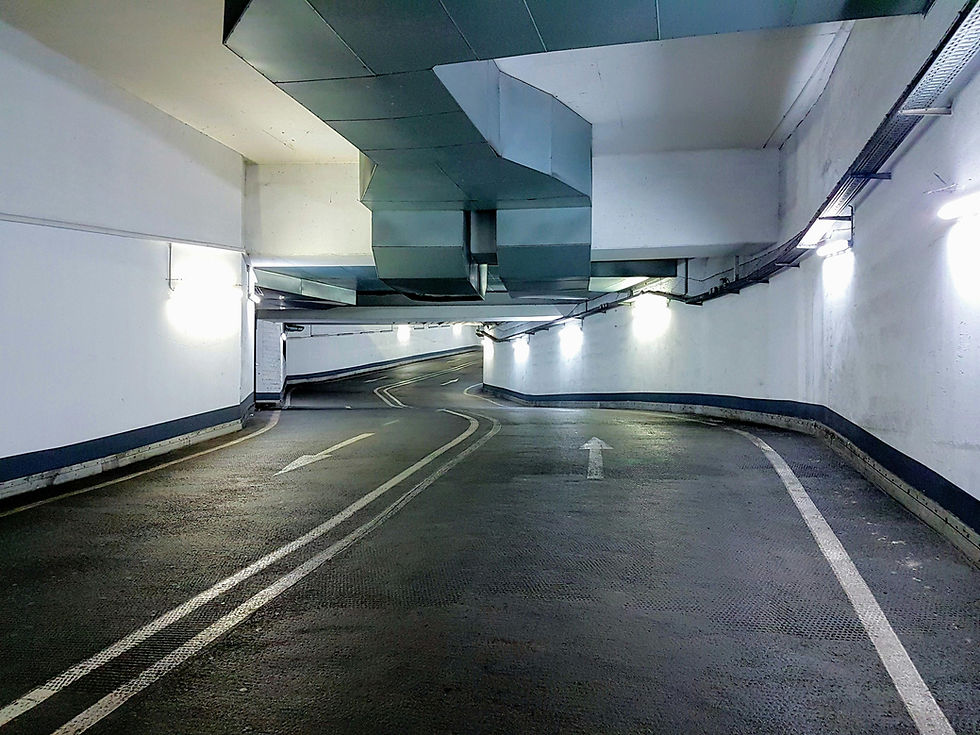
Mitigating Risks in Parking Garages: Security Assessments and Recommendations
Parking garages, despite their apparent utility, are often hotspots for various security risks. These structures rank third in areas of victimization across the United States, highlighting the critical need for effective security measures. This blog explores the importance of security assessments in parking garages and offers recommendations to mitigate these risks.
Hotel Security Management: Addressing Threats and Improving Safety
Ensuring the safety and security of guests is a top priority for the hospitality industry. Hotels are bustling hubs of activity, accommodating guests from all over the world, hosting events, and managing a constant flow of staff and visitors. With such dynamic environments, effective hotel security management is crucial to address potential threats and improve overall safety. This blog will explore key aspects of hotel security management, common threats, strategies to enhance safety, and insights from expert security witness Sean Ahrens.
.jpg)
Data Review for Parking Garage Security: Analyzing Trends and Patterns
Parking garages/parking lots are one of the highest points of victimization. Ensuring the safety of parking garages is a critical aspect of urban security management. Parking facilities, often overlooked in security discussions, are unique environments that present specific challenges and risks. As a security expert witness and consultant, I've found that analyzing trends and patterns in parking garage security data is essential in ascertaining liability. In this article, we'll explore the importance of data analysis in parking garage security, key trends, and how these insights can enhance safety.
.jpg)
Modern Urban Environments: Criminology's Role in Crime Prevention and Security
Modern urban environments, characterized by dense populations and intricate infrastructure, pose unique challenges in crime prevention and security. These sprawling urban centers are hubs of economic activity, cultural diversity, and social interaction, but they also present fertile ground for various forms of criminal activity. Understanding these challenges through the lens of criminology is essential for developing effective security strategies that can safeguard residents and property.

Criminology and Security Vulnerabilities in Modern Urban Environments
Modern urban environments, with their dense populations and complex infrastructure, present unique challenges in crime prevention and security. Understanding these challenges through criminology is crucial for developing effective security strategies.

Chicago Crash-and-grab thieves target currency exchanges to steal ATMs
Sean Ahrens is a recognized expert in workplace violence and security, frequently advising businesses on best practices to enhance safety. His expertise is particularly valuable in addressing the growing trend of thefts involving ATMs in Chicago. Ahrens recommends proactive measures such as removing cash from ATMs overnight, using thicker glass, and bolting down machines to prevent theft. His insights help businesses understand the importance of protecting high-value assets and implementing strategies to deter criminals effectively.

Exploring the Use of Drones in Surveillance and Security Operations
Drones have become a pivotal tool in modern security and surveillance operations, offering capabilities that traditional methods cannot match. These unmanned aerial vehicles (UAVs) are transforming how we monitor and protect assets, both in urban and remote settings.
.jpg)
The Importance of Security Training in Hospitality and Retail Industries
In the bustling arenas of hospitality and retail, security stands as a cornerstone of successful operation. These sectors, characterized by high customer interaction and substantial employee turnover, face unique challenges that make effective security training not just beneficial but essential. This blog post explores the crucial role of security training in safeguarding both assets and people in these industries.

The Psychology Behind Theft and Vandalism: Insights for Better Security Measures
Welcome to Ahrens Security’s blog, where we delve into the intricacies of security management and share expert insights to enhance your security strategies. Today, we’re tackling the psychological drivers behind theft and vandalism and how understanding these can lead to more effective security measures.

The Impact of Lighting on Public Safety in Urban Planning
The design of our cities has a profound impact on the lives of those who live, work, and play in them. One often-overlooked element that plays a crucial role in public safety is lighting. Lighting continues to be downplayed through light pollution requirements, dark skies initiatives, and new technology, which creates new opportunities and challenges, more than ever.

.jpg)
Ockham's Razor and Physical Security: Exploring Premise Liability, High Crime, and Foreseeability
In the realm of security and law, the principles of simplicity and logic are as crucial as they are in philosophy and science. I suggest one such guiding principle is Ockham's Razor, which suggests that the simplest explanation is often the best one. In this blog post, we'll explore how Ockham's Razor applies to the complex world of physical security, premise liability, high crime areas, and the concept of foreseeability.

A Case for Vigilance: Mitigating Security Risks in the Face of Vagrancy and the unhoused/homeless
In a disturbing incident, a woman was attacked in a parking garage by a homeless individual armed with a steak knife. The knife was obtained from a nearby church providing meals to the homeless. This harrowing event exemplifies the complex interplay between vagrancy, security risks, and community welfare.
.png)

Why I deliberately Broke into My Hotel Room: A Lesson in Security
Recently, during a business trip, I encountered a startling revelation about security in the most unexpected of places - my hotel room for an established flag. After a long day, I returned to my room, hearing previously the familiar and reassuring sound of the automatic deadbolt “latching” behind me.

Emphasizing the future need for Preventative Maintenance in Lighting Design: A Security and Liability Perspective
As lighting design pivots towards energy efficiency driven by evolving energy codes, a crucial aspect often overlooked is the impact on premise security and the increased need for preventative maintenance. This post delves into the nuances of lighting design from a security and liability standpoint, highlighting the essential role of preventative maintenance in safeguarding against security negligence and premise liability.

Keys and locks, the cornerstone of access control
The ancient Egyptians, around 4,000 years ago, introduced the earliest known locks and keys. These rudimentary devices have developed significantly, paralleling advancements in Security Technology and Forensic Security methodologies. Today, a standard, non-high security keyway's vulnerability can be a focus for a Security Expert Witnesses in a Premise Liability case. Such standard locks are often easily bypassed—a glaring example of Security Negligence—through techniques like lock picking, which are less challenging than many assume.

Unveiling Vulnerabilities in Magnetic Locks: Insights from a Security Consultant and Expert Witness
In the realm of security, magnetic locks have long been a popular choice for controlling access to various premises. We celebrate these locks for their convenience, but like any security system, they are not without vulnerabilities. As a Security Consultant and Expert Witness with experience in Premise Liability, Forensic Security, Security Negligence, Security Management and technical security technology, I'd like to shed light on the vulnerabilities associated with magnetic locks—vulnerabilities I have personally exploited.